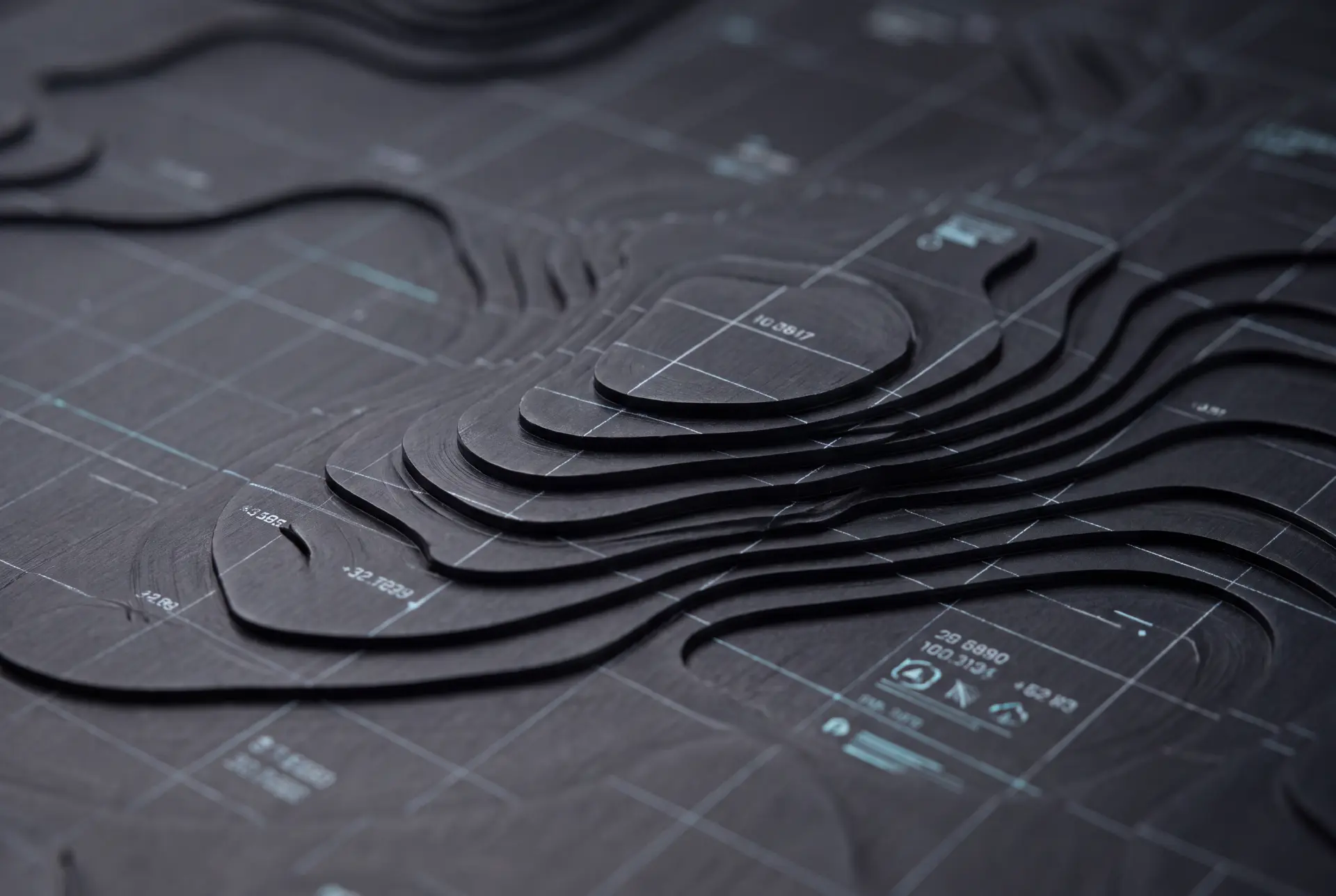
Human-Machine Teaming & Mission Success
NASA human-machine teaming research for Mars and Europa mission scenarios.
Autonomy Research Center (ARCS)
2026Open to strategic conversations
I work on interfaces, workflows, and platform systems for environments where clarity, latency, and decision support matter as much as visual polish: autonomous systems, operational software, AI-enabled workflows, and AR/XR.
A multi-year engineering platform investigating how domain specialists collaborate with AI-generated guidance in dynamic, physically demanding operational environments.
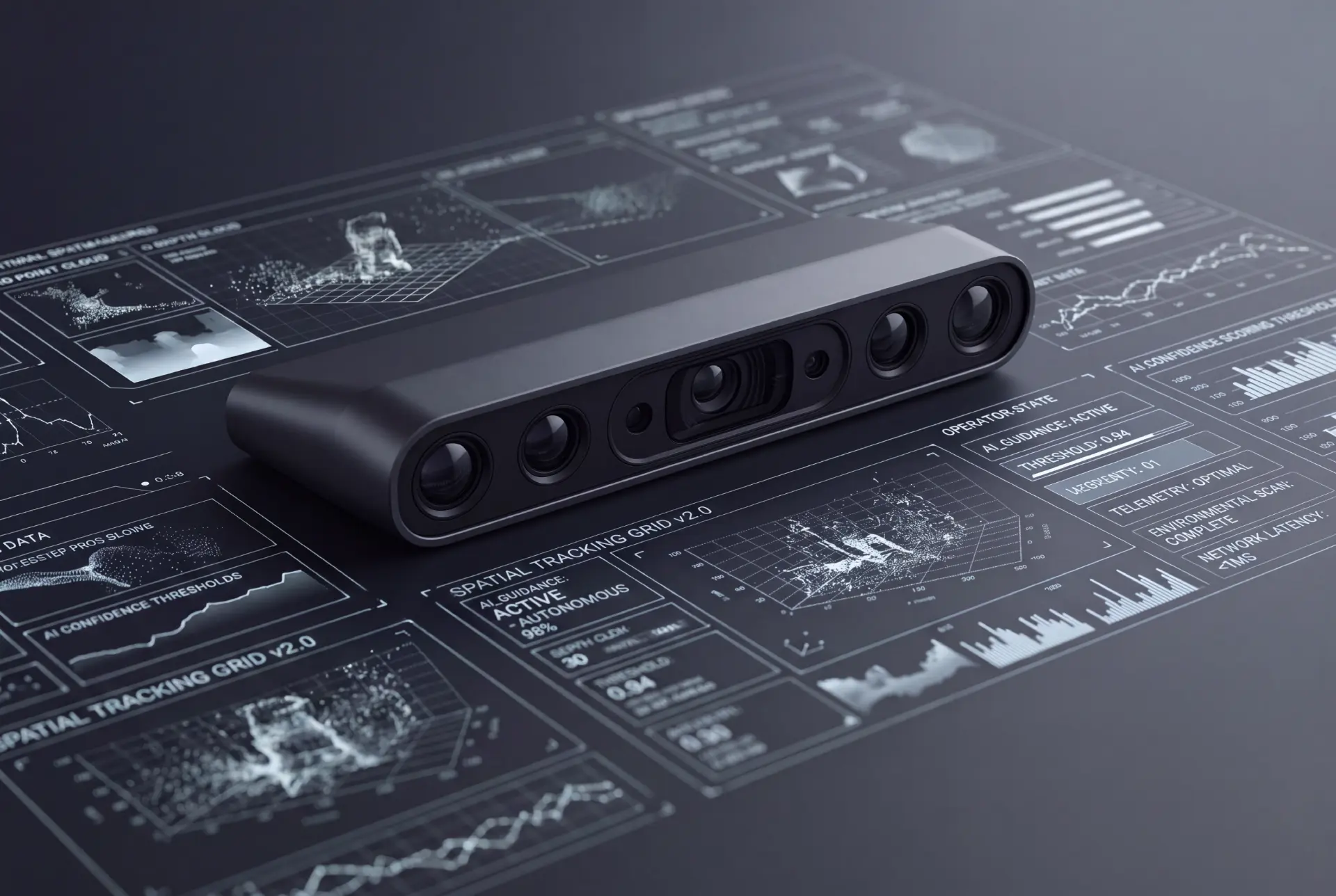
Operational platforms, brand systems, and product surfaces built as one structural practice. Additional case studies are available on request.
NASA human-machine teaming research for Mars and Europa mission scenarios.
Autonomy Research Center (ARCS)
2026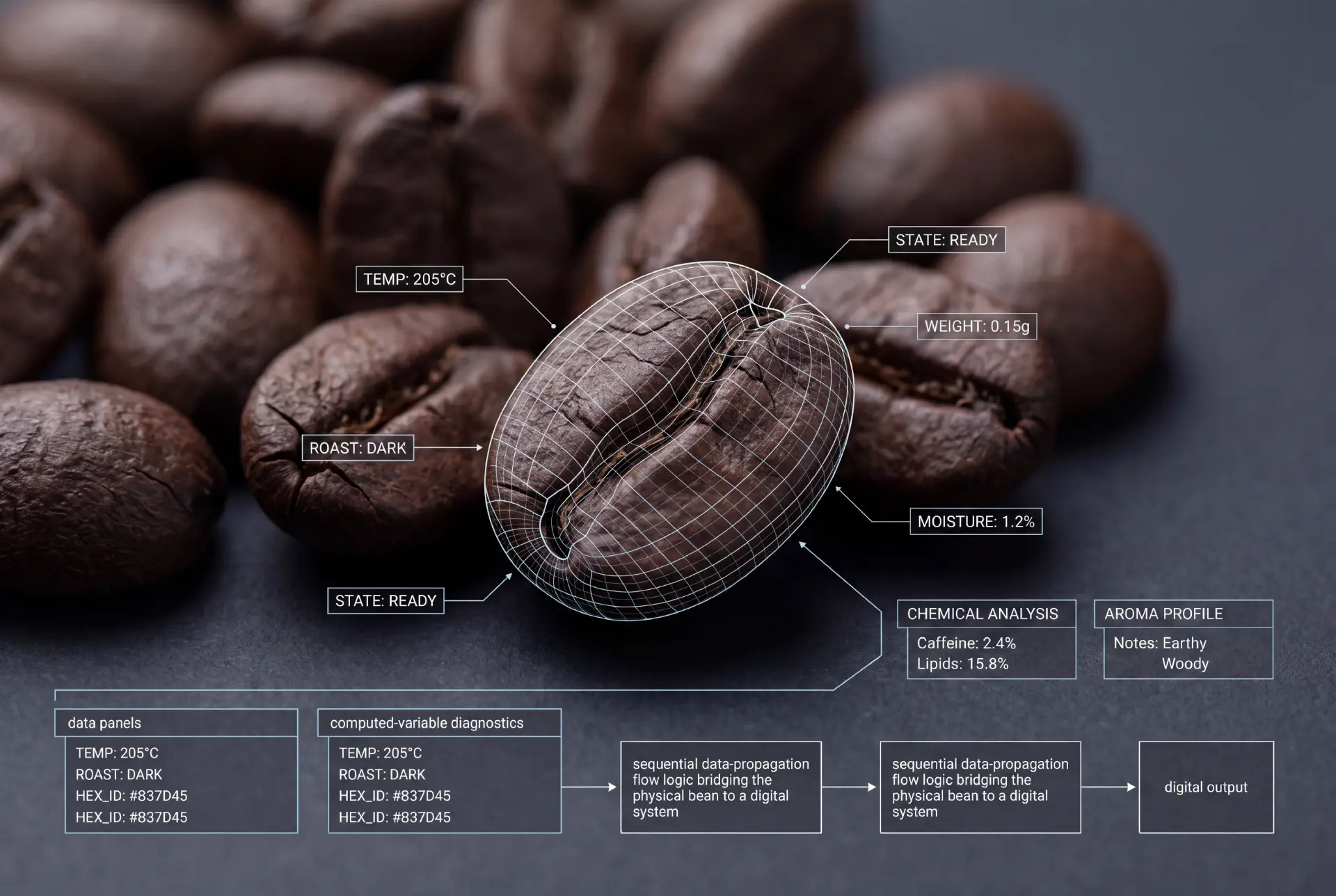
Specialty coffee identity, packaging, and mobile ordering system.
Robusta Coffee House
2022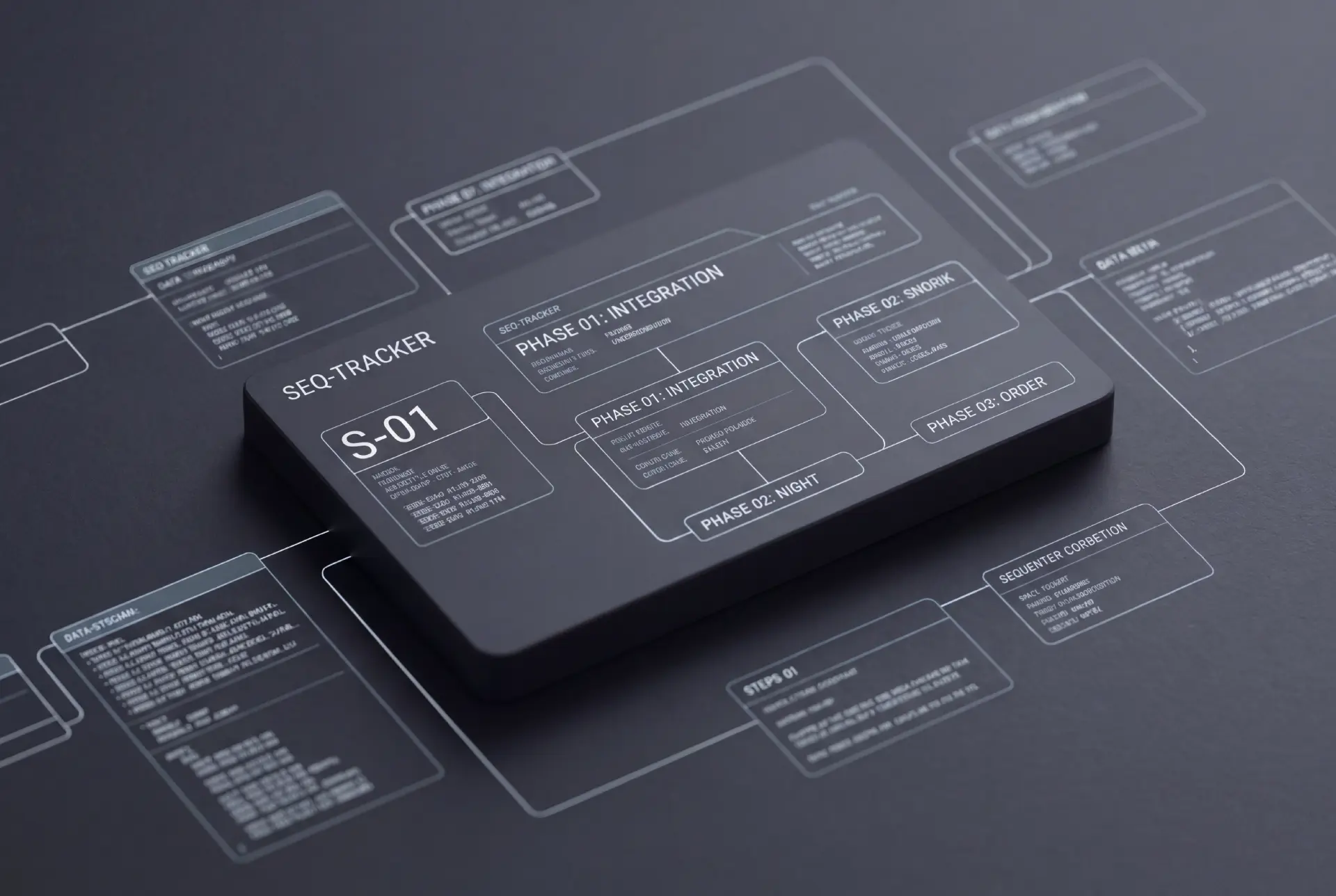
Evolving a custom commerce platform into an integrated enterprise operations system.
ARC, LLC
2018Extended process documentation available on request.
The practice spans enterprise, research, and consumer-facing products, translating technical and organizational complexity into interfaces, workflows, and systems people can understand and act on.
The work starts with the system around the interface: actors, states, constraints, dependencies, and failure modes. Those models become the basis for interaction, information hierarchy, and product behavior, not decoration added afterward.
Design is purposeful rather than restrictive. Minimalism is treated as signal-to-noise control, not empty space. When the context supports it, visual ambition can be pushed deliberately toward something bold, distinctive, and memorable without losing the underlying usability.
Research, engineering, hardware, and design are treated as connected parts of the same problem. The strongest outcomes come from sharing evidence early enough for each discipline to shape the system.
People, teams, and machine agents who act on the system, each with their own goals and authority.
I start with the system, not the screen. I map the people, states, constraints, and failure modes around the work, then design the interface around what users actually need to know and do.
Separate the visible request from the operational problem underneath it.
I care about purposeful design, not restraint for its own sake. When the context calls for it, I’m happy to push toward bold, innovative, even unexpected experiences. The goal is knowing when to reduce the signal and when to amplify it.
A working inventory of the practice: research methods, operational interface disciplines, delivery craft, and prototyping workflows.
Open to discussing strategic, Systems UX Architect opportunities.
Select work is subject to NDA. Extended case studies are available on request.